KFC vs Burger King vs McDonald’s: Who Is Winning India’s QSR Battle?

Synopsis: According to Restaurant Brands Asia, Sapphire Foods, and Westlife Foodworld’s June quarter results, India’s three biggest quick-service chains are striking a balance between premium launches and reasonably priced value meals in order to attract more customers and encourage repeat business.
India’s quick-service restaurant chains relied almost solely on price for a number of quarters. The main strategies used to entice customers back into stores were combo meals, two-for-one deals, and bundles under Rs. 100. The strategy is changing, as evidenced by the June quarter results, where operators are adding new products in addition to their value menus rather than in place of them.
Burger King
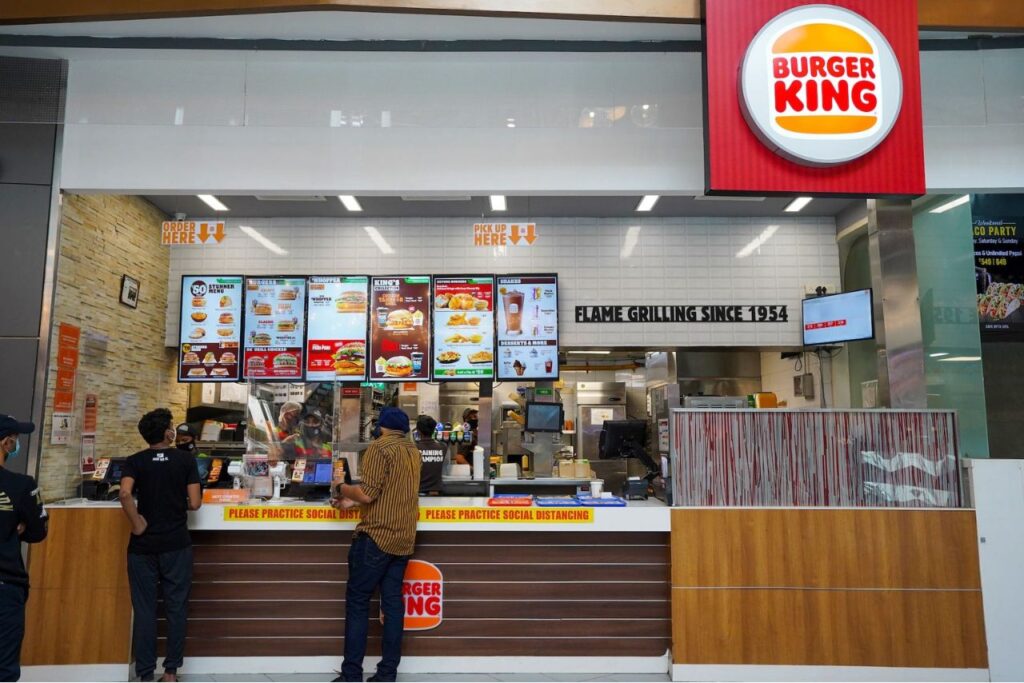
In the June quarter, Restaurant Brands Asia, the company that operates Burger King in India, reported same-store sales growth of 12.6%, the highest in 15 quarters. Revenue reached Rs. 682 crore, up 23.6% from the previous year. The company currently has 590 stores, up by 71 stores YoY. The Korean burger line and the peri-peri products that followed in July were credited by Management, who described both promotions as powerful traffic drivers.
Additionally, the business expanded its BK Cafe format and launched co-branded desserts and shakes. The value push was not replaced by any of this. Offers like two for Rs. 79 and two for Rs. 99 are still available, and according to management, the fundamental value strategy has not altered.
With a market capitalisation of Rs. 6,206.19 crore, the shares of Restaurant Brands Asia closed on Wednesday at Rs. 87.74 apiece, up 3.33 percent from its previous closing price of Rs. 84.91. The sharp jump appears tied to today’s Q1 FY27 results, where same-store sales growth hit a 15-quarter high.
KFC
The KFC operator, Sapphire Foods, reported a 5% increase in same-store sales during the quarter. Takeaway and dine-in accounted for 59% of sales, up from 57% the previous year. In its March quarter call, the company stated that it used to introduce three to four new products annually, but it has since accelerated. The company currently has 1074 stores, up by 22 stores QoQ.
This quarter, that was demonstrated by KFC Shawarma and the Double Chicken Dynamite, which management described as two chicken fillets with cheese and noodles in between.
The company’s value side continued to operate as well. Sapphire claimed to be attracting new customers primarily through the Rs. 99 Chicken Krisper meal, which started testing in December after an earlier Rs. 299 campaign failed to increase transaction numbers.
With a market capitalisation of Rs. 6,459.80 crore, the shares of Sapphire Foods India closed on Wednesday at Rs. 202.52 apiece, up 5.31 percent from its previous closing price of Rs. 192.30.
McDonald’s
Despite roughly flat guest counts, Westlife Foodworld, which operates McDonald’s in western and southern India, had a more difficult end to the previous year, with same-store sales down 3% in the December quarter. The company currently has 482 stores.
At the time, management stated that before declaring a recovery, it needed several months of steady improvement. That was delivered in the June quarter. According to Westlife, it was its fastest guest count growth, highest same-store sales growth, and strongest topline growth in recent quarters.
Management cited increased visitor numbers as the cause. The newly introduced protein slice was a smaller, targeted addition rather than a major launch, and the everyday-value meal continued to be the primary driver of dine-in traffic.
With a market capitalisation of Rs. 9,105.17 crore, the shares of Westlife Foodworld closed on Wednesday at Rs. 587 apiece, up 8.19 percent from its previous closing price of Rs. 542.55. It closed on Wednesday at a P/E of 266.46.
Three different playbooks, one shared trend
When it comes to same-store sales growth, Burger King leads. While its value meal remains consistent, KFC is launching new products at the quickest rate. Instead of pursuing current customers with new products, McDonald’s focuses on frequency and getting them back more frequently.
Price-led traffic building may not have reached its peak because all three chains maintained their value offers throughout the quarter. Value and premiumization are no longer viewed by operators as mutually exclusive options.
Disclaimer: The views and investment tips expressed by investment experts/broking houses/rating agencies on tradebrains.in are their own, and not that of the website or its management. Investing in equities poses a risk of financial losses. Investors must therefore exercise due caution while investing or trading in stocks. Trade Brains Technologies Private Limited or the author are not liable for any losses caused as a result of the decision based on this article. Please consult your investment advisor before investing.
The post KFC vs Burger King vs McDonald’s: Who Is Winning India’s QSR Battle? appeared first on Trade Brains.


