‘Sled head’: Lawsuits against USA Bobsled/Skeleton allege brain injury
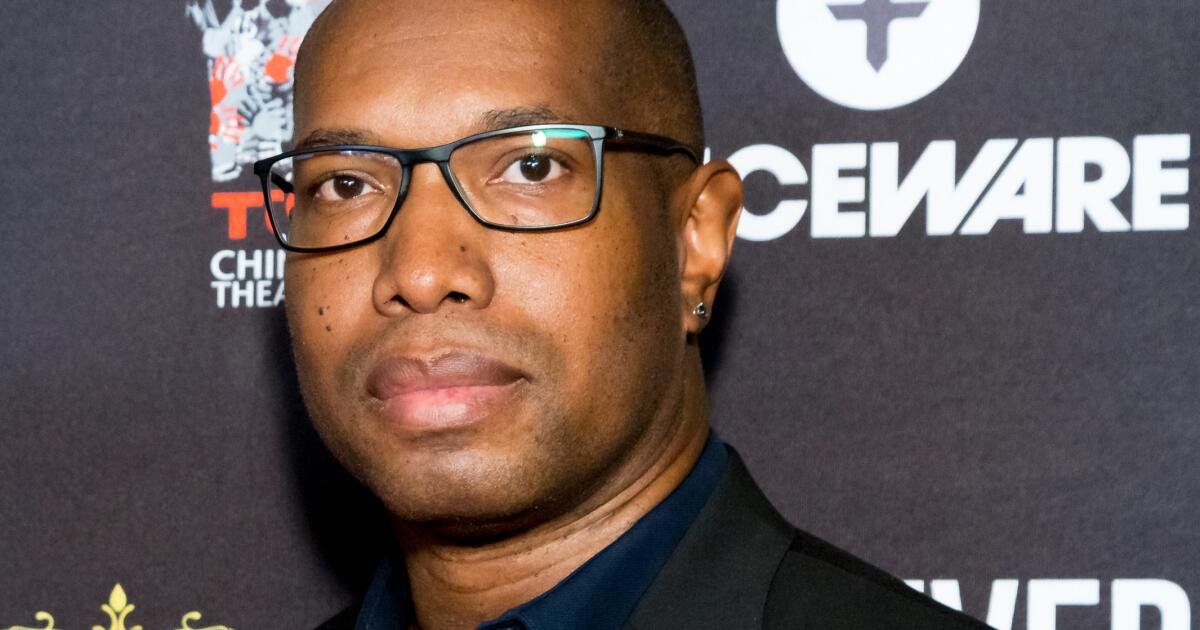
Comic and television host Stephen Colbert knows the feeling William Person recounts in his new lawsuit alleging that USA Bobsled/Skeleton was negligent by concealing knowledge that the repeated sub-concussive blows sledders endure could cause permanent brain damage.
Shortly after taking a bobsled run with Team USA in Lake Placid, N.Y., in 2009, Colbert described the experience.
“It felt like I was being hit in the head with ice hammers,” he said . “It was like losing the worst snowball fight of your life.”
Person can relate, according to his attorneys, who wrote in the suit filed Tuesday in Los Angeles County Superior Court that the symptoms of brain injury have a name among bobsled and skeleton athletes : “Sled Head.”
“This action seeks justice for a decorated American athlete who, in his pursuit of Olympic glory, was knowingly sacrificed to a silent epidemic of brain injury,” the court filing said.
Person says he experienced chronic headaches, migraines, fogginess, vertigo and blackouts during his career.
“[He] currently suffers from traumatic brain injury and latent neurodegenerative disease,” the filing said. “Memory loss, cognitive decline, emotional instability, and chronic pain. These injuries have required, and will continue to require, extensive medical care.”
The action is the second brought on behalf of Person, who competed internationally for the United States from 1999 to 2007. He filed a lawsuit in December 2021 that asked USA Bobsled/Skeleton to implement a medical monitoring system to identify and treat sledders with sled head symptoms.
That lawsuit, which languished in court for five years, included a class-action component and accumulated several hundred plaintiffs. Person’s new lawyers, Kamau Edwards and Christopher Perry, are taking a different approach. They plan to file separate lawsuits and seek monetary damages for each plaintiff based on their circumstances and diagnosis.
Edwards and Perry also added new defendants. In addition to USA Bobsled/Skeleton, the United States Olympic and Paralympic Committee, Anschutz Southern California Sports Complex and former bobsledding supervisor Tracy Lamb are named.
Anschutz owns the Home Depot Center, where the U.S. bobsled and skeleton teams train. The lawsuit says the venue is responsible for premises liability and Lamb for negligent hiring and supervision.
The defendants have yet to be served with the lawsuit and declined to comment. Once served, they will have 30 days to respond through the court.
Edwards and Perry also filed personal injury lawsuits last week on behalf of two other former USA sledders — Joe Sisson and Rick Baird. Through their court filings, both recount head injuries sustained while sledding and lingering symptoms.
The New York Times published stories several years ago about former bobsled and skeleton athletes who struggled with symptoms similar to what Person, Sisson and Baird describe. A handful were posthumously diagnosed with chronic traumatic encephalopathy, the progressive, degenerative brain disease found in people with a history of repetitive head impacts.
Dr. Ann McKee, director of Boston University’s CTE Center, studied the brain of former Olympic bobsledder Pavle Jovanovic, who killed himself in 2020 at 43, and determined he had CTE.
Jovanovic wasn’t the first elite bobsledder to commit suicide. Steven Holcomb, who piloted the American bobsled known as the “Night Train” to the Olympic gold medal in 2010, was found dead in Lake Placid, N.Y., in 2017 from an apparent overdose of alcohol and sleeping pills.
Also, Sisson’s sledding mentor Travis Bell killed himself in 2012 at 27 after experiencing years of debilitating symptoms that Sisson believes stemmed from his career as a driver on the U.S. bobsled team.
“I’ve got survivor’s guilt big time,” Sisson told the New York Times in 2022.
Person’s lawsuit alleges that Lamb and USABS coaches witnessed his symptoms during training sessions but failed to intervene.
“They did not pull [Person] from the sled. They did not refer him for a neurological evaluation. They did not institute a concussion protocol,” the lawyers wrote. “Instead, fostering a culture of silence, they encouraged [him] to continue training through the injury, exacerbating the damage to his brain.”
The lawsuit asserts that the link between sledding and brain injury has been known since the 1980s and that officials intentionally concealed the information because “a full disclosure of the risks of CTE and permanent brain damage would deter top-tier athletes like [Person} from competing,” the suit said. “By suppressing this information, they robbed [him] of his ability to make an informed choice about his own life and health.”
Person was a track and field athlete at Weber State in Utah when he was recruited by USA Bobsled/Skeleton. He represented the United States in the America’s Cup, World Cup, Olympic Trials and World Championships from 1999 through 2007.
The dangers of sliding sports took center stage at the 2010 Vancouver Winter Olympics when 11 crashes occurred in two days of bobsled training ahead of the Games. Gold medal bobsled favorite Beat Hefti of Switzerland suffered a concussion and luger Nodar Kumaritashvili died after being ejected from the track at nearly 90 mph during the final training run.


