
California approves plan for first new major reservoir in decades
California water regulators have approved a permit for Sites Reservoir, clearing the way for construction of the state’s first new major reservoir in decades.
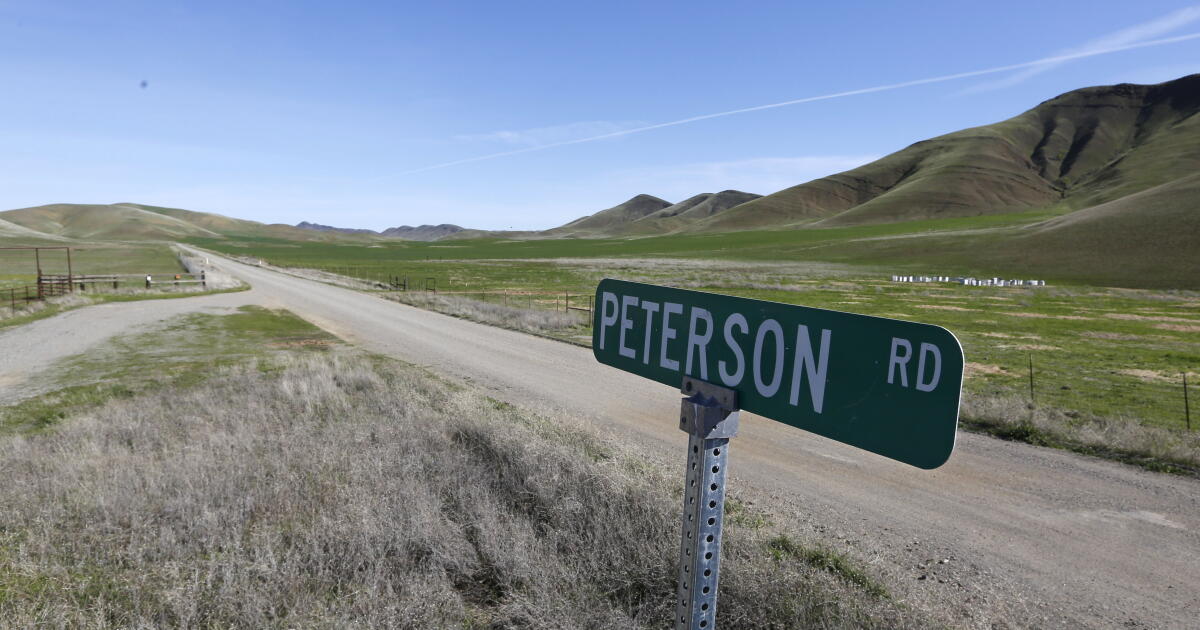
Plans call for two large dams about 300 feet high, as well as nine smaller ones, holding water pumped from the Sacramento River and inundating about 15,000 acres in a valley northwest of Sacramento.
After a heated debate, the State Water Resources Control Board voted unanimously late Wednesday to approve the water right permit for the reservoir near the community of Maxwell.
“We’re living with more extreme droughts and floods, and a growing need to store water during wet periods. Sites is built for exactly that,” Board Chair E. Joaquin Esquivel said.
State officials and managers of water agencies said the $7 billion reservoir will be a critical part of California’s efforts to adapt to climate change.
Gov. Gavin Newsom celebrated the decision, saying it shows “California can get big infrastructure projects moving again.” He called it a smart investment, saying: “Now it’s time to get shovels in the ground.”
Construction is scheduled to begin next year and conclude in 2034.
Opponents, including environmental activists and fishing advocates, urged the board to reject the permit, saying the reservoir would siphon too much water out of the Sacramento River and harm salmon and other native fish. They called it a costly boondoggle that will mainly benefit agribusiness and other powerful interests, and said filling the reservoir will warm up the river, worsen algae blooms, and degrade the aquatic ecosystem in the Sacramento-San Joaquin River Delta.
“The Sites Reservoir project makes no sense. It costs billions, delivers a trickle of new water, and threatens the health of the Sacramento River and San Francisco Bay-Delta,” said Keiko Mertz, policy director of the environmental group Friends of the River.
Native activists strongly criticized the plan. They said inundating the valley would destroy sacred sites and ancestral burial grounds.
“If this reservoir goes through, you will literally be covering up the footprints and trails that my father walked with his mother, he walked with me, and I walk with my children. And that’ll all be gone,” said Amanda Mitchum, a leader of the Cachil Dehe Band of Wintun Indians.
Theresa Moore, of the Chhé’ee Fókaa Band of Northeastern Pomo, called it a “destructive, extractive” project and told the board: “You are corruptly embracing a role as the mouthpieces and rubber-stamps of Big Ag, water profiteers, and the politicians in their pockets.”
The large agencies supporting the project include the Metropolitan Water District, which delivers water for nearly 19 million people across Southern California. It and other agencies plan to pay part of the costs.
“Given the impacts of climate change, extreme drought, and intense flood years, this generational project is necessary,” said Ryan Shaw, a manager of Western Municipal Water District.
A reservoir like the Sites project has been debated since the 1950s. The current iteration of the project took shape starting in 2010.
It’s slated to be the largest reservoir built in California since the completion of New Melones Dam on the Stanislaus River in 1979, holding up to 1.5 million acre-feet of water.
The state and federal governments have pledged to pay for about one-third of the construction costs. The project has been allocated more than $1.3 billion from California’s Proposition 1 bond measure, which voters approved in 2014.


